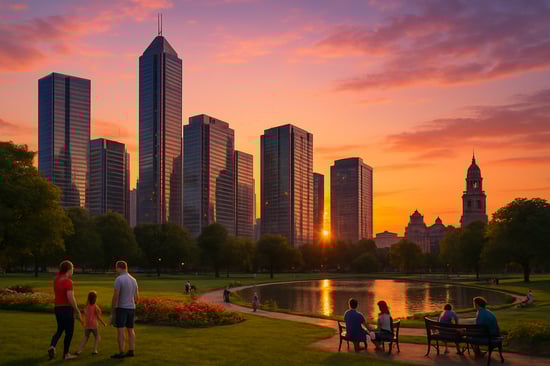
In recent years, Tokyo's real estate market has been attracting the keenest attention of foreign investors, including wealthy Asian investors. Tokyo, once known around the world as the "center of Japan's economic powerhouse," is now being reevaluated as an "international investment target" based on new standards of value. The weak yen and large-scale redevelopment projects are dramatically increasing the city's attractiveness. The complex interplay of these factors is beginning to make Tokyo real estate more than just a place to live, but an important part of one's portfolio for protecting and growing one's assets.
In this article, I will explain why Tokyo real estate is attracting so much attention now, from a professional perspective and in a way that is easy to understand for the average consumer, based on the knowledge I have gained through my daily contact with investors around the world as INA & Associates, Inc. We hope that our objective facts based on data and the real atmosphere felt on the ground will help you in your asset building.
Why are wealthy Asians paying attention to Tokyo real estate now?
There is more than one reason why wealthy Asians are investing in Tokyo real estate. It is a complex combination of multiple factors, including political stability and cultural appeal, not to mention economic rationale. Here we delve into the four main reasons.
1. Political and economic stability and strong ownership
One of the most important factors that foreign investors look for is the stability of the investment destination. In this respect, Japan enjoys one of the best reputations in the world. For almost 80 years since the end of World War II, Japan has maintained a stable political system and liberal economy without experiencing major political upheavals or social unrest. This makes it very attractive to wealthy individuals who wish to hedge their country's country risk.
Furthermore, it should be noted that Japan's real estate system recognizes ownership rights. In some countries, land is state-owned, and in many cases, foreigners and even citizens of their own country can only acquire a fixed-term leasehold interest. In Japan, however, even foreigners can permanently acquire ownership of land and buildings, and their rights are legally protected by a robust registration system. This certainty of asset protection meets the needs of wealthy foreigners seeking a secure investment environment.
2. "Undervalued" compared to other major cities in the world
Many people may have the image that real estate in Tokyo is expensive, but from an international perspective, the picture is very different. The table below compares luxury home prices in major cities around the world, with Tokyo at 100.
| City Name | Price Index | Comparison with Tokyo |
|---|---|---|
| Hong Kong | 263.5 | Approx. 2.6 times that of Tokyo |
| London | London 205.2 | Approx. 2.1 times that of Tokyo |
| Shanghai | 162.0 | Approx. 1.6 times that of Tokyo |
| Tokyo | 100 | Standard |
Source: Japan Real Estate Institute, "International Real Estate Price Rent Index" (April 2025)
As can be seen, compared to cities such as Hong Kong and London, real estate prices in Tokyo are less than half of those in other cities, indicating a marked undervaluation. This price differential means that there is "a lot of room for future price increases" for investors, making it a very attractive investment.
3. Excellent Investment Opportunities Brought about by the Weakening of the Yen
The current depreciation of the yen provides an excellent opportunity for foreign investors to purchase Japanese assets at a discount. For example, a property that cost 100 million yen at 100 yen to the dollar can be purchased for approximately 670,000 dollars at 150 yen to the dollar. In other words, in dollar terms, the same property can be obtained for two-thirds the price.
Due to the depreciation of the yen, properties in prime locations in central Tokyo that were previously unaffordable are now becoming realistic investment targets for wealthy foreign investors. In fact, data shows that about half of all high-end properties in central Tokyo priced at 200 million yen or more are purchased by foreigners, indicating that the weak yen is strongly encouraging their purchasing power.
4. Cultural Attractiveness and Geographical Proximity
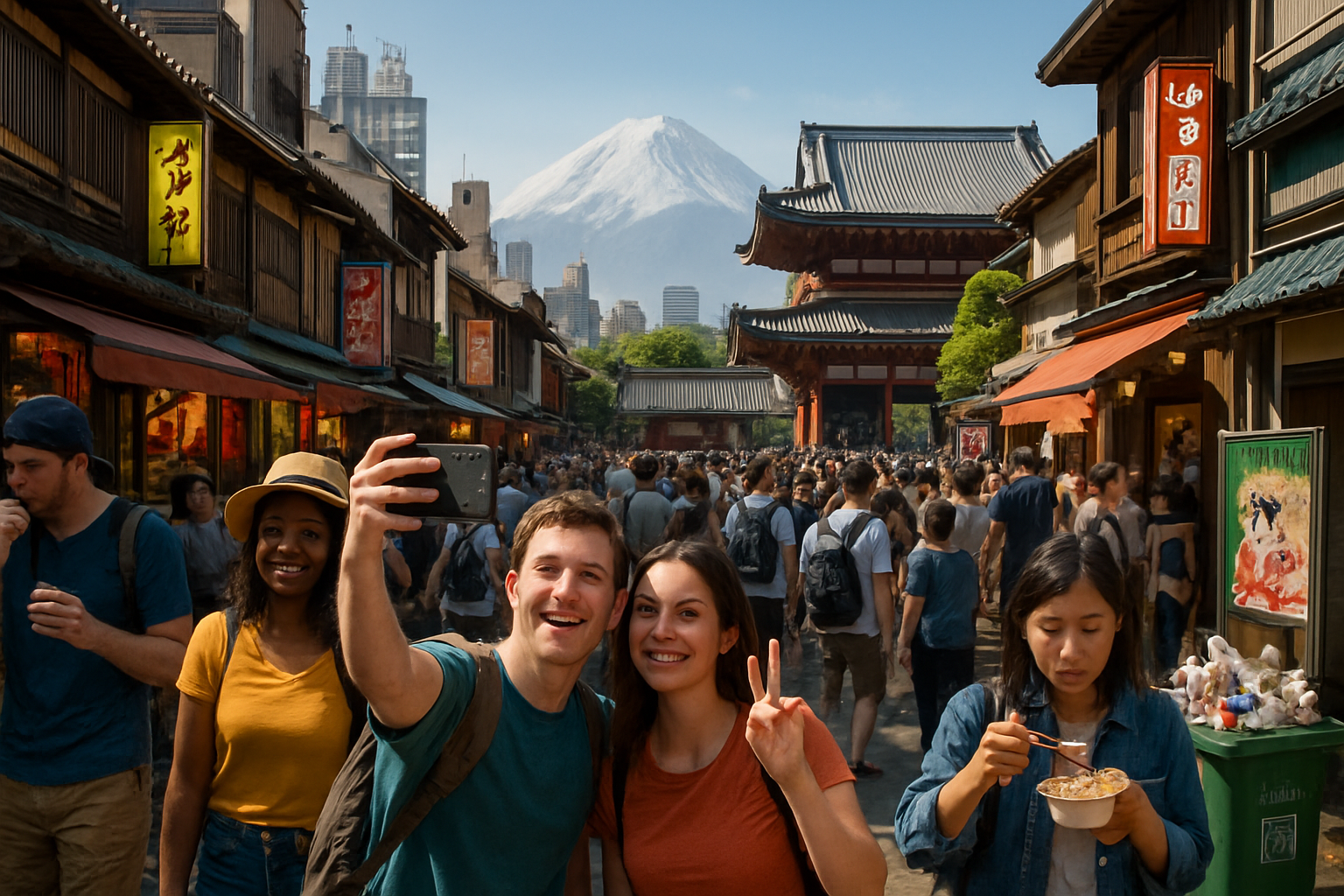
Investment is not determined solely by economic rationality. Especially for real estate, an asset rooted in "location," empathy for a country's culture and lifestyle is also an important factor. Japanese anime, food, and traditional culture are highly valued around the world, and many wealthy people want to own assets in such "countries of their dreams.
Geographical proximity is also a major advantage, especially for Asian investors. For example, from Taiwan or Hong Kong, Tokyo can be reached in a few hours by air. The distance, which allows for immediate rush in case of any problems, leads to a sense of physical security, which greatly lowers the hurdles for real estate investment.
Data shows the international position of the Tokyo real estate market
The fact that foreign investment is increasing is clearly evident in various data: according to the 2025 edition of the "Land White Paper," real estate purchases by foreign investors in 2024 amounted to 939.7 billion yen, up approximately 63% from the previous year. Their presence in the high-value property market is particularly significant.
These data indicate that foreign investors are no longer a small niche player in the Tokyo real estate market, but rather one of the major players driving the market. Our analysis indicates that this trend is likely to continue.
Large-scale redevelopment to further enhance Tokyo's value
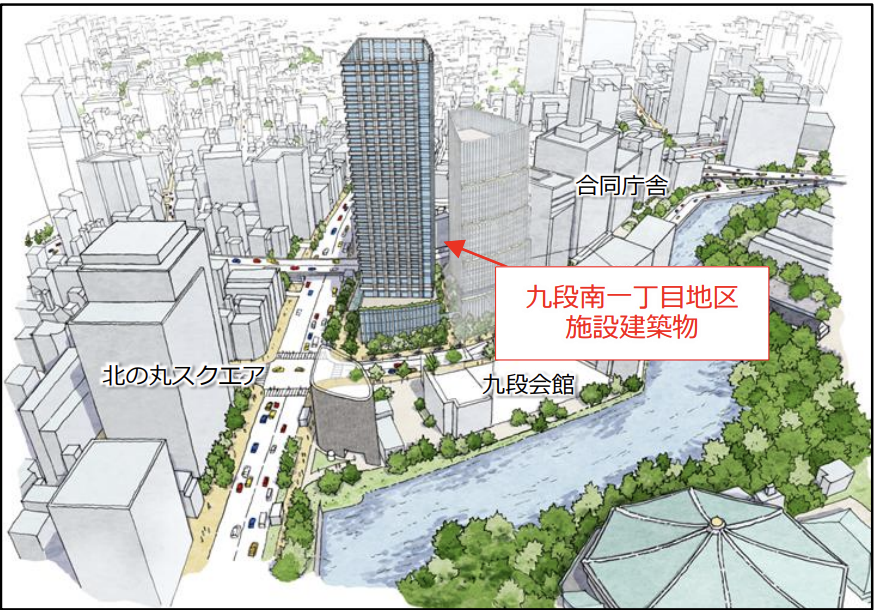
The ongoing large-scale redevelopment projects are an integral part of Tokyo's real estate value story. These redevelopment projects not only renew old buildings, but also create new business hubs and attractive living spaces that will dramatically improve the city's international competitiveness. Here are a few projects of particular interest for 2025 and beyond.
| Project Name | Area | Main Characteristics | Completion (planned) |
|---|---|---|---|
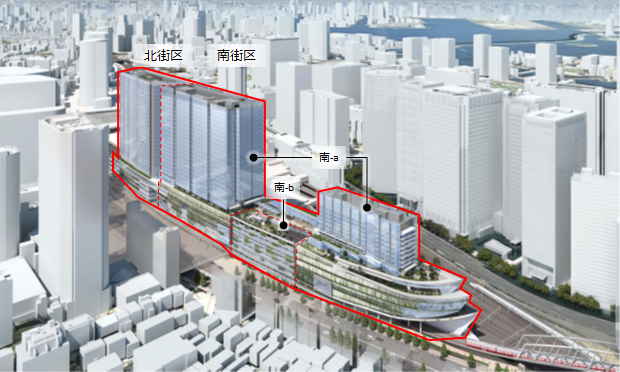
| Takanawa Gateway City | Shinagawa, Takanawa | Direct connection to new JR station, international business exchange hub, smart city functions | To be completed in 2025 |
| Toranomon-Azabudai Hills | Toranomon-Azabudai | Japan's tallest skyscraper, lush green urban complex, and international cultural destination | 2023 |
| ShibuyaSakuraStage | Sakuragaoka, Shibuya | One of the largest office, residential, and commercial complexes in Shibuya, with improved accessibility to the station | By 2024 |
| BLUEFRONTSHIBAURA | Hamamatsucho/Shibaura | Waterfront development, Japan's first luxury hotel, boating hub | 2025~. |
These projects will transform the Tokyo skyline and create a new flow of people. The creation of "compact cities" in various parts of the city center, where offices, commercial facilities, hotels, residences, and even cultural facilities are concentrated, will bring about a highly convenient lifestyle with work and residence in close proximity to each other. This upgrading of urban functions will be a powerful factor in boosting real estate asset values over the long term.
Conclusion: Achieving Success in Tokyo Real Estate Investment
As we have seen in this report, the current Tokyo real estate market is a uniquely attractive investment environment for wealthy Asian and other foreign investors. Political and economic stability, international undervaluation, a weakening yen that has increased purchasing power, and large-scale redevelopment projects that will increase future value are all favorable factors. With these favorable conditions in place, incorporating Tokyo real estate into your portfolio is a sensible asset protection and building strategy.
However, no matter how favorable the conditions may be, real estate investment is always risky. Professional knowledge and experience in property selection, financial planning, and post-purchase management are the keys to success. We at INA & Associates, Inc. have handled numerous domestic and international real estate transactions, specializing in ultra-high-net-worth clients. We help our clients maximize the value of their valuable assets by providing optimal solutions tailored to each individual's goals and circumstances.
If you are interested in investing in real estate in Tokyo, please do not hesitate to contact us. Our team of experts will strongly support you on your path to success.
Frequently Asked Questions
Q1. Are there any legal restrictions on foreigners purchasing real estate in Japan?
A1. In Japan, foreigners can acquire ownership of real estate in much the same way as Japanese nationals. In some cases, there is the "Important Land Survey Law" that requires prior notification for land transactions in certain areas (e.g., remote border islands and areas around Self-Defense Forces bases) from a security perspective, but cases in which condominium investments in central Tokyo fall under this category are rare. However, there are certain obligations that must be complied with, such as tax reporting after purchase, so please consult with a specialist.
Q2. How should I manage the property after purchase?
A2. Some people manage the property themselves, but it is common, especially if you live overseas, to outsource the property management to a rental management company. They can handle all the complicated tasks on your behalf, such as tenant recruitment, rent collection, complaint handling, and building maintenance. We, too, have a one-stop support system in place to handle everything from purchase to management and sale.
Q3. How will future interest rate trends affect the real estate market?
A3. Although the Bank of Japan has lifted its negative interest rate policy, we are cautious about a significant rise in interest rates for the time being. If interest rates rise moderately, domestic buyers who use mortgage loans may be affected to a certain extent. However, the direct impact on wealthy foreign buyers, many of whom purchase with their own funds, is expected to be limited. Rather, it has been pointed out that there is a possibility that the desire to invest in real estate, which is a real asset, will further increase as a hedge against inflation.
Daisuke Inazawa
Representative Director of INA&Associates Inc. Based in Osaka, Tokyo, and Kanagawa, he is engaged in real estate sales, leasing, and management. He provides services based on his extensive experience in the real estate industry. Based on the philosophy that “human resources are a company's most important asset,” he places great importance on human resource development. He continues to take on the challenge of creating sustainable corporate value.
.png)